sidi bou said, tunisia
The World’s Most Beautiful Village.
OUR ROLE
We are architects.
We takeresponsibility.
Protect. Build. Shape the future.
Architects and students worldwide for Sidi Bou Saïd.
Our mission: the cleanest and most beautiful village in the world.
No plasticon the streets.
Not a singlecigarette butt.
Protectthe environment.
Preservenature.
Official Member of the Scientific Committee UNESCO Report 2027
UNESCO WORLD HERITAGE · 2026
World heritage needs local guardians.
Tourism is not the problem. Uncontrolled mass tourism is. Our mission: protect Sidi Bou Said for the next generations.
Recognition is not the finish line. It is a responsibility. Sidi Bou Said has been protected by law since 1915 — one of the earliest heritage decrees in the world, and the residents themselves asked for it. On 25 July 2026, UNESCO placed the village on the World Heritage List. Now it is our turn: for the streets, for the people, for the next 500 years. By 1 December 2027, Tunisia reports to UNESCO on how this village is being protected. We intend to be part of that answer.
Our mission: the cleanest and most beautiful village in the world.
Remove the waste. Fill the streets with flowers.
No plastic.
Not a single cigarette butt.
A flower gate at the entrance.
Protect what makes Sidi Bou Said unique.
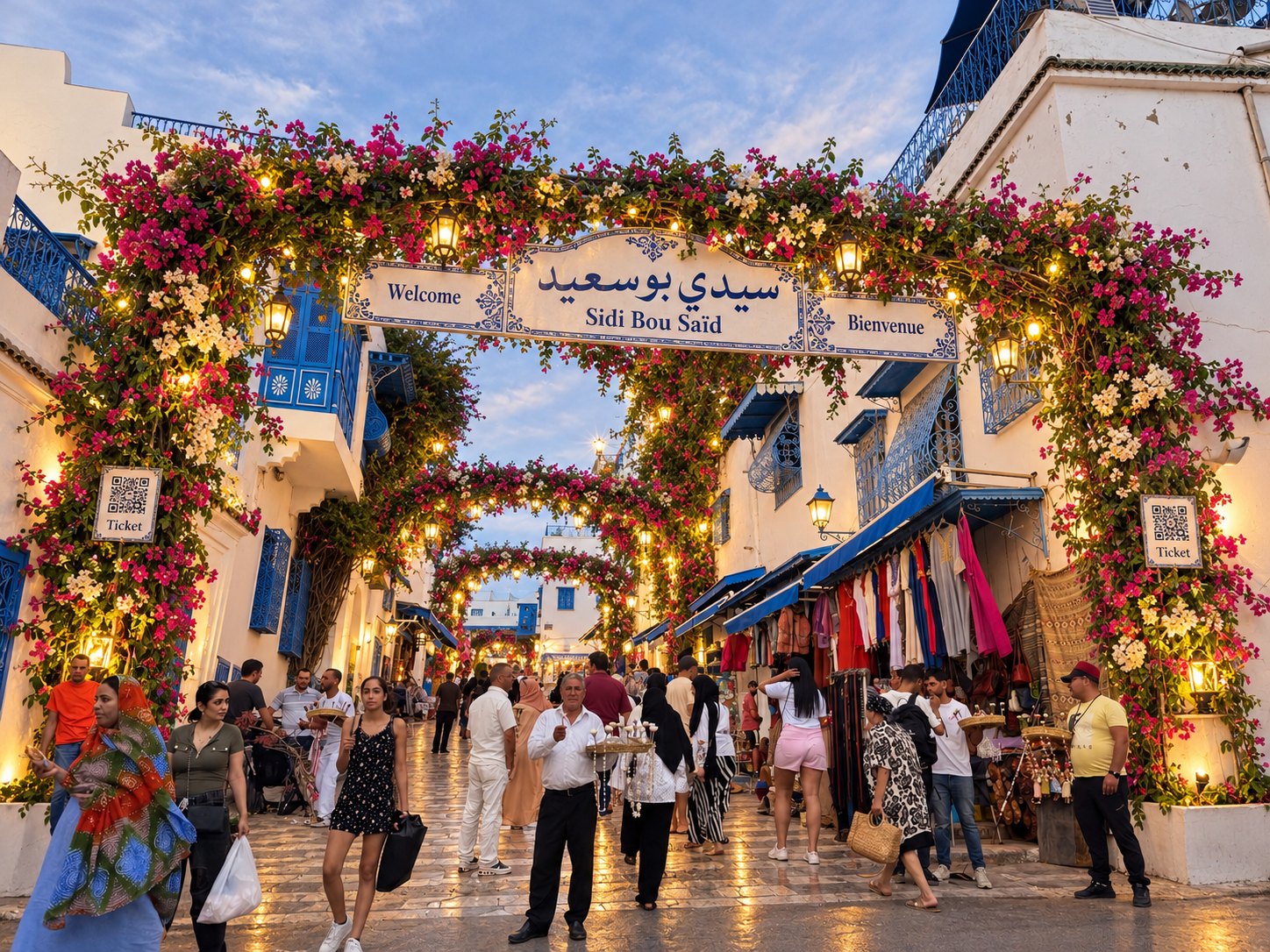
The next generation takes responsibility.
Every generation of students should leave Sidi Bou Said better protected than they found it.
Architecture students from ENAU and local residents will work together to make this the cleanest and most beautiful village in the world. Our goal is to establish an independent committee at the university in Sidi Bou Said, with each generation of students passing its work and responsibilities to the next.
- clean streets
- a flower gate
- heritage protection
- local jobs
- student leadership
- transparent funding
The people behind the mission.
Architecture students from ENAU and local partners. The team grows with every report.
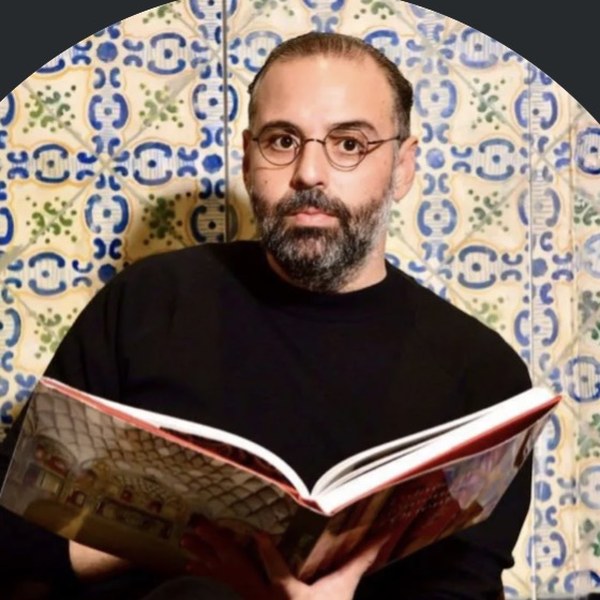



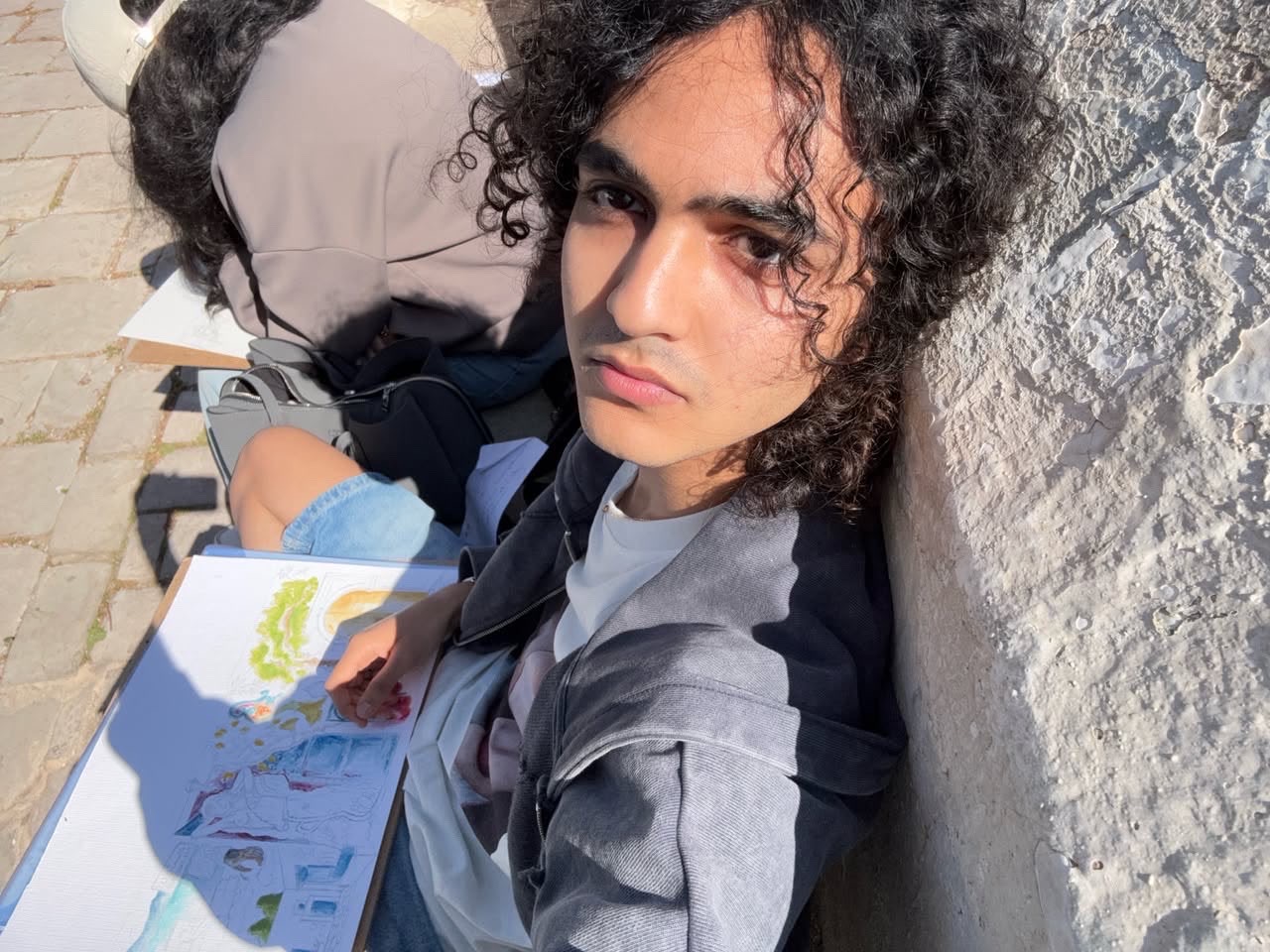

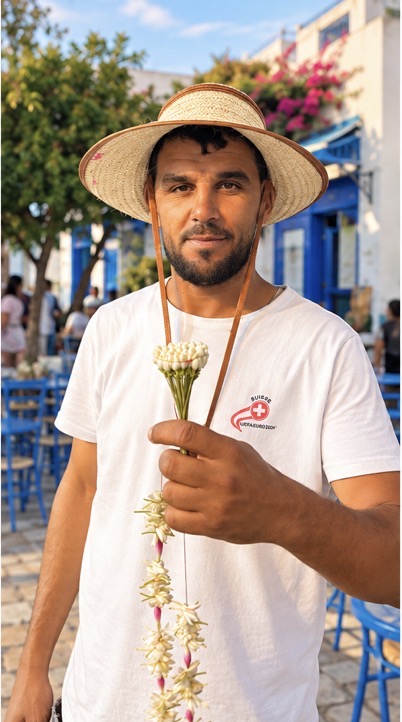
Ayari Mondher
Sidi Bou Said
Jasmin Artisan
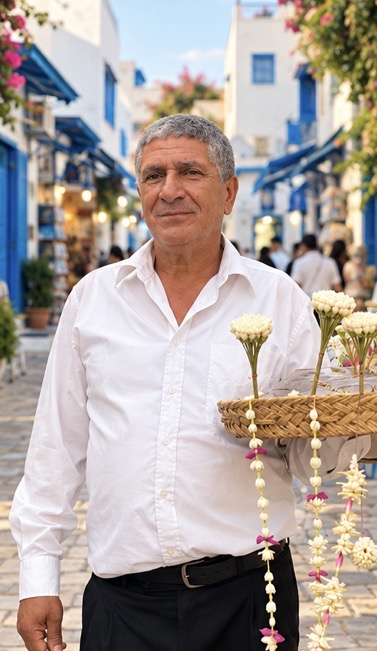
Khamis El Bahri
Sidi Bou Said
Jasmin Artisan
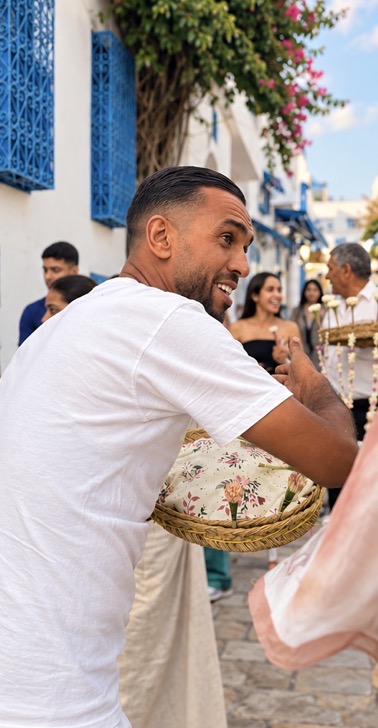
Mohamed Amine Farhani
Sidi Bou Said
Jasmin Artisan
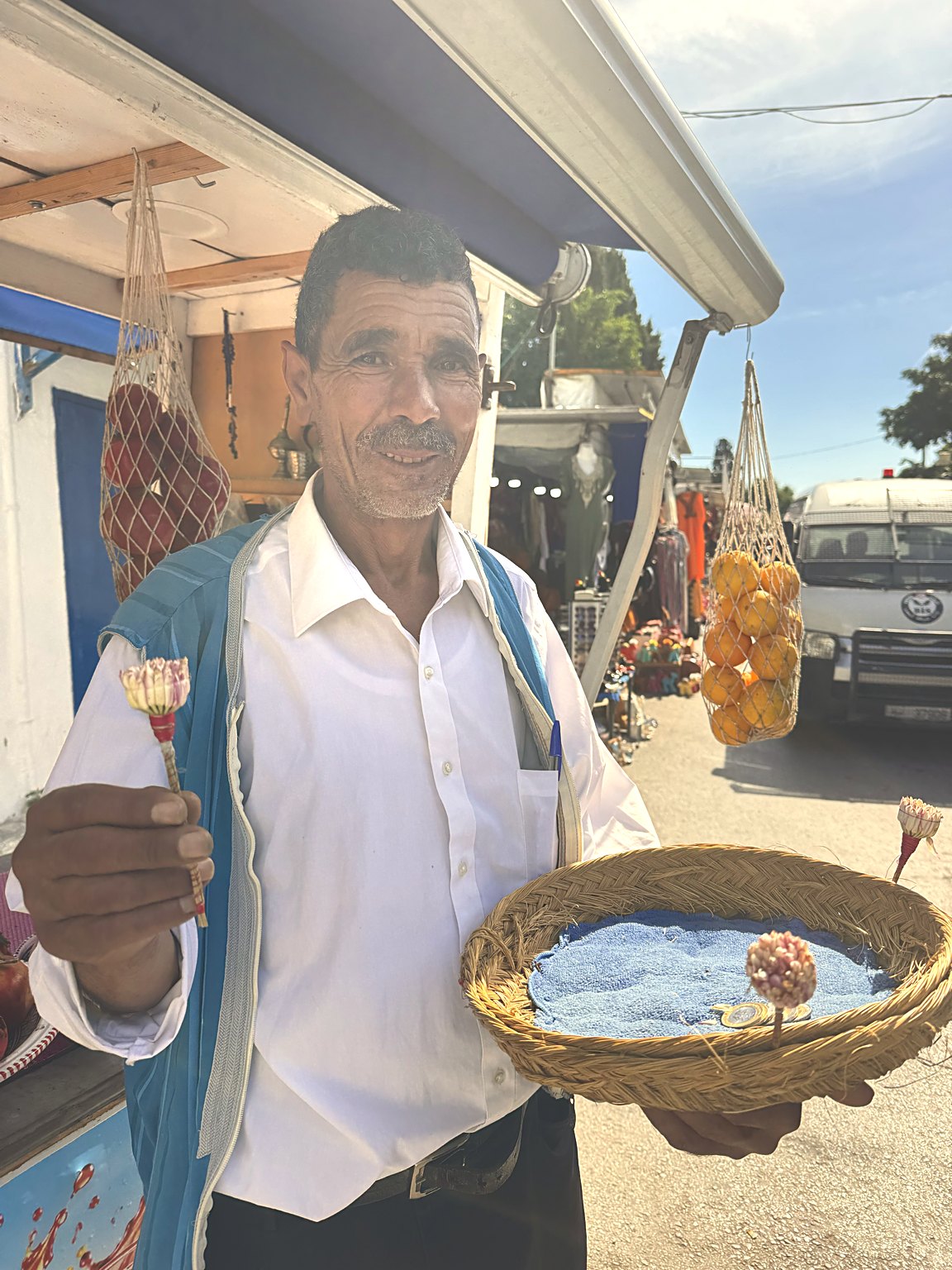
Hasan Ghdifi
Sidi Bou Said
Jasmin Artisan
SIDI BOU SAID IS A LIVING MUSEUM.
Museums charge admission to protect their heritage. Sidi Bou Said deserves the same care. Every visit leaves a mark. Over time, millions of visits wear down the village. We must protect it. We propose an entrance fee of 10 dinars for international visitors. A small amount for one visitor. Essential for protecting the village.
WHERE YOUR MONEY GOES
- Local jobs to keep the village clean.
- Repairs to historic buildings and streets.
- The flower gate at the village entrance.
- Support for local flower makers all year round.
The money will support the village of Sidi Bou Said and ENAU, the National School of Architecture and Urban Planning of Tunis.

EVERY STREET. EVERY CORNER.
Students and local cleaning teams will work together to make Sidi Bou Said the cleanest village in the world. This project will create local jobs and help local flower makers sell their flowers, supporting their livelihoods even when there are fewer tourists.
Protecting the village means strengthening local life.
The people who live and work here are the heart of Sidi Bou Said: flower sellers, small shops, cafés, craftsmen, families. Every dinar the project generates flows back into the village.


Let nature build the entrance.
No concrete. No masonry. Thin wires, light trellises, fell and jasmine. We set the frame. Nature does the rest. The flower gate stands where the old village begins. Every visit starts here.
How does it work?
- No ticket office
- No cash
- No paperwork
Sidi Bou Said is a living museum. To protect it, visitors from abroad pay a small contribution.
Visit. Contribute. Preserve.
Visitors from abroad
10 TND per person. Valid for one year.
Tunisians
Enter free.
Scan the QR code at the Flower Gate or buy online at mysidibou.com. Pay with your phone and get your ticket. Done.
No ticket: 100 TND fine.
Where the money goes
Every dinar goes to the municipality and to the School of Architecture of Sidi Bou Said, to care for the village.
FROM ONE GENERATION TO THE NEXT.
Our goal is to direct funds to the municipality and the university in Sidi Bou Said to protect the village.
We aim to establish an independent committee with students at the university. This committee will manage the funds and oversee the work to protect Sidi Bou Said. Each generation of students will pass this responsibility to the next, benefiting both the university and the village. Full transparency. Here on this website, you will see how much money came in, where it went, who received it and what was done with it.
street cleaning
collect plastic, cigarette butts and other waste; fund local cleaning jobsstudent projects
fund materials and equipment for surveys, planting and improvements to the villageflowers and public spaces
buy plants, install light trellises and maintain planted areasheritage protection
document damage to historic buildings and support approved repairslocal workers
pay local people for cleaning, planting and maintenancetools and reporting
buy cleaning tools, transport collected waste and publish spending recordsFirst public report: December 2026.
Two reports
December 2026 — our first public report. Donations, spending, results.
1 December 2027 — Tunisia's official report to the UNESCO World Heritage Centre on the conservation of Sidi Bou Said. UNESCO named tourism pressure among the main threats to the village. Every street cleaned, every flower planted and every visitor counted is part of that answer.
Project updates
Coming soon. The first public report will show funds received, spending and work completed.

200 years.
300 years.
500 years.
People should still be able to walk these streets.
We are responsible for what we leave behind.
Follow the mission.
Videos, updates and stories from the streets.
One village. One generation. One responsibility.
Help us protect Sidi Bou Said.